

There is no publicly available evidence indicating the existence of jet fuel contamination samples found at the Pentagon crash site on 9/11.
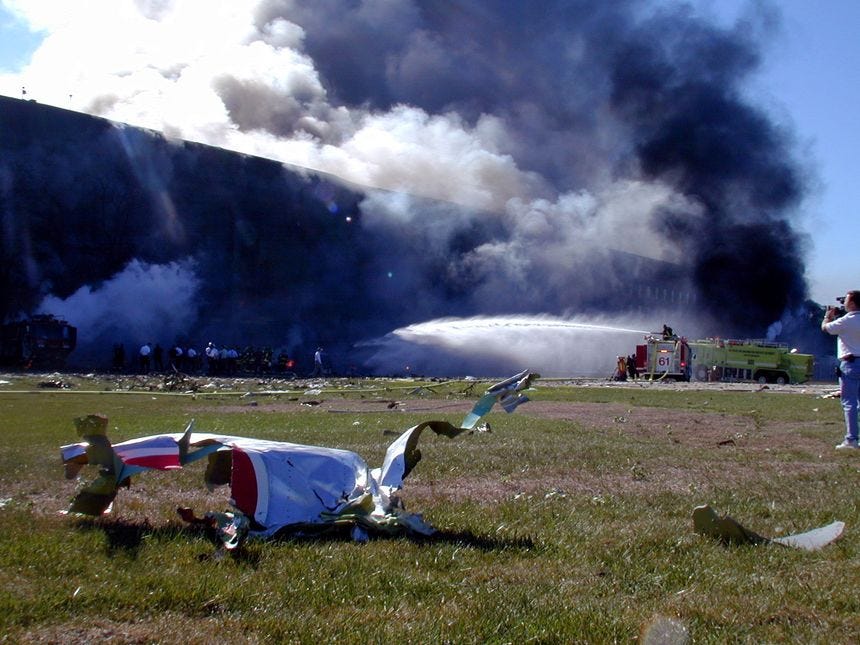
The official available evidence mainly focuses on the hazards present at the Pentagon site, which did include jet fuel, smoke, heat from the fire, and human remains, but does not mention contamination of jet fuel samples in the report.
Studies conducted at the site, such as surface wipe sampling health risk assessment, identified potential exposure risks but did not report jet fuel contamination itself. The primary concerns were related to the presence of hazardous substances in the environment, not contamination of jet fuel used in the attack.
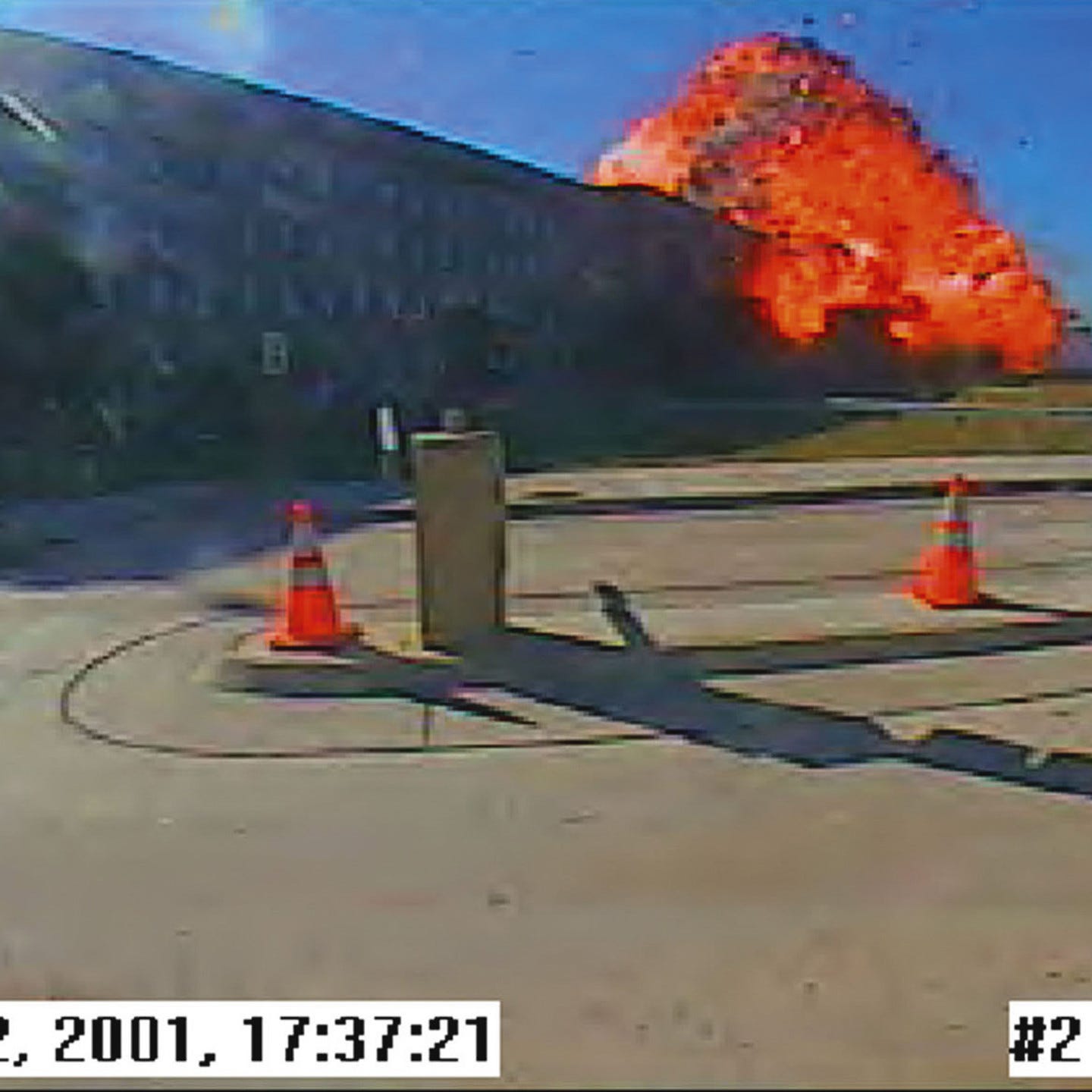
The absence of jet fuel contamination has been cited as a point of contention about the crash site. The lack of jet fuel contamination is attributed to complete combustion and rapid evaporation during the high-velocity impact and subsequent fire. Yet, survivors of the attack did report the strong smell of jet fuel in the corridors immediately following the impact. Also, numerous first responders and survivors reported an overwhelming, distinct smell of jet fuel in the immediate aftermath of the impact, which allegedly, confirmed the jet fuel was present in liquid or vapor form beyond what was immediately consumed by the initial fireball.
The Pentagon’s drinking water supplies were also tested to ensure they were not contaminated by jet fuel or back-flow issues resulting from heavy water use by fire departments.
The question remains, was we really observing a hydrocarbon fuel based explosion?
Interestingly, at the crash site of American Airlines Flight 587 in November 2001, there was contamination of jet fuel. The aircraft was carrying approximately 8,000 gallons of fuel for its flight to Santo Domingo. The crash resulted in a massive fireball due to the jet fuel load, which contributed to the extensive destruction at the site. The fuel leaked from the ruptured tanks and ignited upon impact, causing a large fire that burned for hours and spread to nearby buildings, including 12 homes. The presence of fuel significantly escalated the fire and the resulting damage at the crash site. About 2,000 cubic yards of contaminated soil was removed from the area and tested for the presence of jet fuel. Clean soil was brought in to replace it.
American 77 was carrying approximately 7,256 gallons of fuel when it “allegedly” crashed into the Pentagon building at 9:37 a.m.
Why the lack of jet fuel contamination?
Reference & Bibliography Sources
https://www.cdc.gov/niosh/docket/archive/pdfs/NIOSH-248/0248-041312-ShanksvilleResponse.pdf
https://www.cdc.gov/wtc/exposures.html
https://www.qchron.com/editions/south/american-airlines-to-pay-for-cleanup-of-queens-crash-site/article_63698205-bb3f-5a12-a70d-7e0cd9f7bbfa.html#:~:text=About%202%2C000%20cubic%20yards%20of,the%20presence%20of%20jet%20fuel.&text=The%20site%20of%20Flight%20587’s,crash%20is%20guarded%20at%20night.
For further reading and study in relation to the Pentagon crash site, please consider reading this article.

It would be interesting to know what the resulting insurance claims entailed.
Great article as always, 9/11 Planes Research.
I'll just leave this here for additional reading, for those who might be interested.
The PentaCon on 9/11
When a missile AND a plane did not hit a target
Article: https://911revision.substack.com/p/the-pentacon-on-911
Poem: Ghosts In The Flight - Don't believe your eyes
Article: https://robdubya.substack.com/p/poem-ghosts-in-the-flight